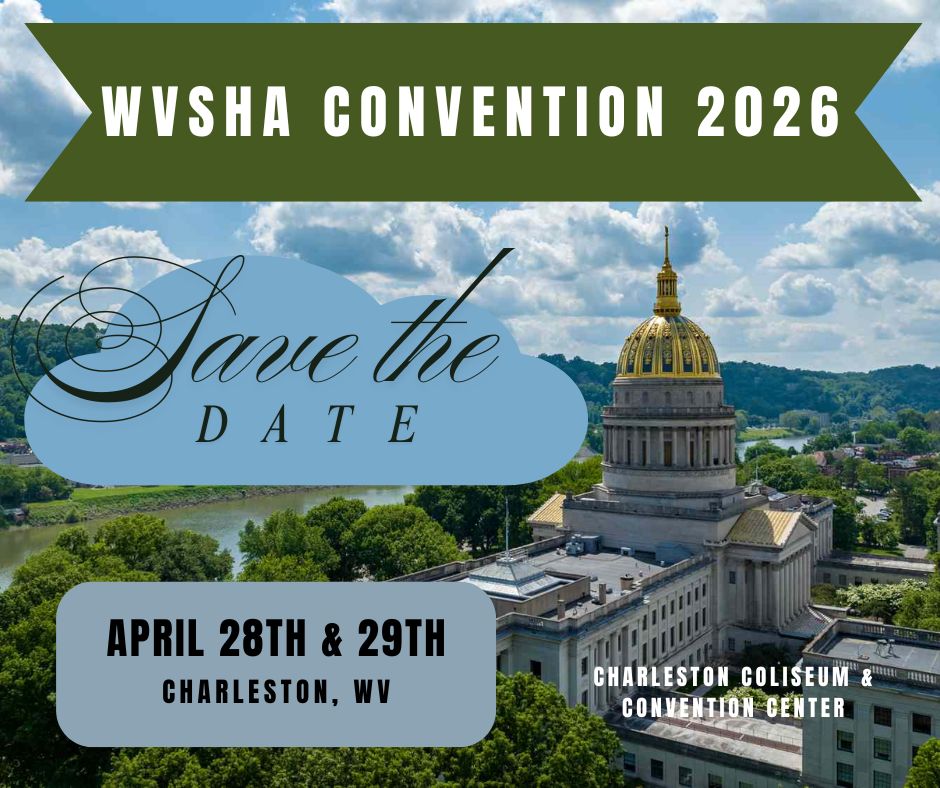
| April 28, 2026 - April 29, 2026 | |
| Charleston Coliseum & Convention Center 200 Civic Center Dr Charleston, WV 25301 Get Directions |
| Format: In Person | |
| .85 CEUs (8.5 hours) |
Join us for the 2026 Convention on April 28–29 at the Charleston Coliseum & Convention Center! This year’s theme, **Advocacy**, highlights our collective commitment to empowering voices, influencing policy, and advancing the field through informed and ethical practice.
Connect with colleagues, gain new insights through engaging sessions, and celebrate the impact of advocacy in shaping the future of our profession. Don’t miss this opportunity to learn, collaborate, and inspire action.
Registration Pricing
| Non-Member | WVSHA Member | Student | |
|---|---|---|---|
| Full Registration | $475 | $325 | $50 |
| One-Day Registration | $250 | $175 | N/A |
This conference is offered for up to .85 ASHA CEUs, various levels.
Caseloads, Contracts, and Cash: SLP Pay Structure and Their Consequences is offered for .2 ASHA CEUs. This course meets ASHA’s requirements for the Content Area 1 (Ethics).
Working with Bilinguals as a Monolingual SLP is offered for .2 ASHA CEUs. This course meets ASHA’s requirements for Content Area 2 (formerly known as DEI).
From “Can I Do This?” To “I’ve Got This.” is offered for .1 ASHA CEUs. This course falls under ASHA’s requirements in the area of Supervision.
Before leaving the conference, the participants will be required to complete a brief survey which includes answering self-reflection questions based on the learner outcomes.
| Tuesday, April 28 | |
| 8:30 AM - 10:30 AM |
Caseloads, Contracts, and Cash: SLP Pay Structures and Their Consequences (ETHICS CEU)Presenter: Meredith Harold, PhD
Location: Ballroom
Show/Hide Details
Opening Keynote Address Speech–language pathologists face a confusing landscape of employment structures—W2 versus 1099, salaried versus per-visit, and productivity requirements that may be mathematically impossible to meet ethically. These aren't just HR details; they directly impact clinical decision-making, burnout rates, and patient outcomes. This session breaks down how SLP compensation actually works, from reimbursement systems to contract fine print, and examines the ethical tensions created when pay structures incentivize quantity over quality. Attendees will leave with practical knowledge to evaluate contracts, recognize wage theft, and advocate for sustainable working conditions. Instructional Level: Introductory Learning Outcomes
Author Biographical Sketch Meredith Harold, PhD, is a science communicator, speech-language pathologist, and entrepreneur dedicated to making research truly usable for clinicians. She founded The Informed SLP, an evidence-synthesis and continuing education platform that translates emerging science into practical guidance for everyday practice. She is also founder/CEO of Informed Jobs, a transparent jobs board for SLPs. Meredith previously worked as an assistant professor and pediatric clinician and now focuses on advancing evidence-based practice through writing, teaching, and speaking internationally. Speaker Disclosure Meredith Harold is the founder of The Informed SLP and Informed Jobs. There are no other relevant financial or non-financial relationships to disclose. |
| 10:30 AM - 12:00 PM |
From Munchkinland to the Emerald City: How Children's Stories Grow and Change with AgePresenter: Megan Israelsen-Augenstein, PhD, CCC-SLP, Tracy Toman, MS, CCC-SLP, Franchesa Sulli, Hannah Gain
Location: Room 215
Show/Hide Details
Children’s storytelling skills develop along predictable developmental pathways, yet clinicians often struggle to determine whether a child’s narrative is age-appropriate or a sign of language-based difficulty. This session will guide participants through common story types observed from preschool through early elementary years, highlighting key features of typical narrative development and developmental red flags. Through real-world examples and interactive activities, attendees will learn to identify narrative forms, evaluate developmental appropriateness, and apply this knowledge to clinical assessment and decision-making in educational and clinical settings. Instructional Level: Introductory Learning Outcomes
Author Biographical Sketch Dr. Megan Israelsen-Augenstein is an Assistant Professor in the Communication Sciences and Disorders Division at West Virginia University and a licensed speech-language pathologist. Her research and clinical work focus on developmental language disorder, narrative language development, and school-based narrative interventions. She has led and collaborated on state- and federally funded projects examining how narrative instruction supports language and literacy outcomes for children in early elementary grades. Dr. Israelsen-Augenstein regularly presents nationally and internationally on narrative assessment and intervention. Tracy Toman is an Assistant Professor at West Virginia University and an ASHA-certified speech-language pathologist. She has provided in-person and telepractice services for WV public schools for eight years. She has partnered with Integrated Speech Solutions for five years to provide virtual, research-based services for school-age students with speech sounds disorders and language disorders in West Virginia. Franchesca Sulli is an undergraduate research assistant studying Communication Sciences & Disorders at West Virginia University. She is actively engaged in providing language-based teletherapy to elementary aged students, collecting and analyzing data for classroom narrative-based intervention, and utilizing the Systematic Analysis of Language Transcripts to evaluate linguistic abilities in children. Her research interests include reading disorders, Developmental Language Disorder, cleft palate and craniofacial research, and speech and language intervention for children and adults. Franchesca is expected to graduate with her Bachelor’s in May 2026. Hannah Gain is a first-year Speech Language Pathology Masters student at West Virginia University. She serves as a Graduate Research Assistant in her university’s Speech, Language, and Phonological Awareness Skills Lab as well as works as a zipline instructor. Her research and interests involve narrative intervention, language sample analysis, and bridging the gap between research and practice. Hannah is expected to graduate with her Master’s degree in May 2027. Speaker Disclosure Megan Israelsen-Augenstein is employed by West Virginia University. There are no other relevant financial or non-financial relationships to disclose. Tracy Toman is employed by West Virginia University. There are no other relevant financial or non-financial relationships to disclose. Franchesa Sulli and Hannah Gain are students at WVU. There are no other relevant financial or non-financial relationships to disclose. |
| 10:30 AM - 12:00 PM |
Your Strengths Are the Advocacy StrategyPresenter: Jeanette Benigas, PhD
Location: Ballroom
Show/Hide Details
Speech-language pathologists face growing system-level challenges that affect access to care, income, and professional well-being. Many clinicians recognize these issues but feel uncertain about how to engage in advocacy or assume it requires formal leadership roles or additional credentials. This session reframes advocacy as a natural extension of clinical practice. Participants will explore how understanding personal strengths can help them choose advocacy approaches that fit their communication style, values, and comfort with risk. Through a case-based narrative, the presenter shares her transition from clinician to national advocate and offers practical strategies clinicians can use to integrate advocacy into their existing professional roles in sustainable and meaningful ways. Instructional Level: Introductory Learning Outcomes
Author Biographical Sketch Jeanette Benigas, PhD, SLP is a nationally recognized medical speech-language pathologist, educator, author, and healthcare reform advocate. She is the founder and CEO of Fix SLP, a grassroots advocacy movement working to modernize speech-language pathology by addressing unnecessary barriers to practice and empowering clinicians to take action on issues they care about. Through state-level advocacy and employer education, Fix SLP has directly influenced Medicaid credentialing reform and employment practices across multiple states. Dr. Benigas’ research focuses on adult neurology and dysphagia, with interdisciplinary training in aging. She is an experienced endoscopist, owner of a mobile FEES practice, podcast host, national speaker, and continuing education provider focused on clinician autonomy and access to care. Speaker Disclosure Jeanette Benigas is the founder and CEO of Fix SLP. There are no other relevant financial or non-financial relationships to disclose. |
| 1:00 PM - 4:00 PM |
Poster PresentationsPresenter: WVSHA
Location: Atrium
Show/Hide Details
Poster: Speech Language Pathologist Perspective on Accessibility of Additional Augmentative and Alternative Communication (AAC) Training and Education This poster presents findings from a mixed-methods study examining speech-language pathologists’ perspectives on the accessibility of additional augmentative and alternative communication (AAC) training and education in professional settings. Practicing speech-language pathologists in the Ohio Valley tri-state area completed a survey addressing perceived confidence in AAC implementation, access to training opportunities, awareness of AAC certifications, and workplace support. Quantitative and Qualitative results highlight discrepancies between the perceived value of AAC training and actual access to formal professional education. Implications for professional development, institutional support, and advocacy are discussed to promote best practices in AAC service delivery. Learning Outcomes:
Presenter Biographical Sketch Shelby Ferrell is a second-year graduate student in the Master of Science program in speech-language pathology at West Liberty University. Her clinical interests include special populations, augmentative and alternative communication (AAC) and literacy integration across educational service delivery. Her research interests include AAC, access to continuing education, and professional support for clinicians serving individuals with complex communication needs. This poster is based on her graduate Capstone research examining speech-language pathologist perspectives on the accessibility of additional AAC training and education in the Ohio Valley region. Attendees may earn only .05 ASHA CEUs (30 minutes) for this poster session. Poster: Differences in Auditory Temporal Processing Between Heavy and Light Music Listeners Across various peer-reviewed studies, musicians have been shown to have superior temporal processing skills compared to non-musicians. However, this research often overlooks variability in the amount of time non-musicians spend listening to music, and how differences in listening exposure alone may influence temporal processing. This study investigates the differences in temporal processing between heavy music listeners (HMLs) and light music listeners (LMLs). Both groups consisted of 10 participants each. Detection/discrimination thresholds for spectrotemporal modulation, silent gaps, duration, and frequency modulation were obtained. The results revealed statistically significant differences between HMLs and LMLs in terms of their temporal processing abilities. Learning Outcomes:
Presenter Biographical Sketch Haley Shumate is an undergraduate student at West Virginia University majoring in Communication Sciences and Disorders and minoring in Photography. She will be pursuing a doctorate in audiology after her graduation in May 2026. She has a specific interest in the neuroscience and auditory processing aspects of audiology. Attendees may earn only .05 ASHA CEUs (30 minutes) for this poster session. Poster: Predictors of Success in Whole-Classroom Narrative Interventions for Elementary School Children Whole-classroom narrative interventions have demonstrated promise for improving language and literacy outcomes in elementary school children; however, substantial variability exists in student response. This poster examines child- and classroom-level predictors of response to a whole-classroom narrative intervention implemented across multiple elementary schools. Data were drawn from 309 first-, second-, and third-grade students who participated in classroom-based narrative instruction. We evaluated whether baseline language skills, grade level, and socioeconomic indicators predicted gains in narrative macrostructure and microstructure. Results identify factors associated with differential response to intervention and provide insight into which students may benefit most from whole-classroom narrative approaches, informing data-based instructional and intervention planning in elementary school settings. Learning Outcomes:
Presenter Biographical Sketch Dr. Megan Israelsen-Augenstein is an Assistant Professor in the Communication Sciences and Disorders Division at West Virginia University. She is a licensed speech-language pathologist with extensive experience in early intervention and school-based settings. Her research focuses on developmental language disorder, narrative language development, and the effects of whole-classroom and targeted narrative interventions on student outcomes. Dr. Israelsen-Augenstein’s work emphasizes implementation science, scalability of evidence-based practices, and supporting children in rural and underserved communities. She regularly collaborates with educators, clinicians, and researchers on state- and federally funded projects and presents nationally and internationally on narrative assessment and intervention. Attendees may earn only .05 ASHA CEUs (30 minutes) for this poster session. Poster: Early Development of Narrative Macrostructure in Kindergarten through Second Grade in Appalachian Schools Narrative macrostructure is a foundational skill supporting later language, literacy, and academic success, yet little is known about how these skills develop during the earliest years of formal schooling. This poster examines the early development of narrative macrostructure in children attending Appalachian schools across kindergarten, first grade, and second grade. Using cross-sectional and within-year data, we describe developmental patterns in core story grammar elements and examine variability across grade levels. Findings provide insight into early narrative growth within a historically underserved region and have implications for early identification, classroom instruction, and intervention planning for children at risk for language-based learning difficulties. Learning Outcomes:
Presenter Biographical Sketch Dr. Megan Israelsen-Augenstein is an Assistant Professor in the Communication Sciences and Disorders Division at West Virginia University. She is a licensed speech-language pathologist with extensive experience in early intervention and school-based settings. Her research focuses on developmental language disorder, narrative language development, and the effects of whole-classroom and targeted narrative interventions on student outcomes. Dr. Israelsen-Augenstein’s work emphasizes implementation science, scalability of evidence-based practices, and supporting children in rural and underserved communities. She regularly collaborates with educators, clinicians, and researchers on state- and federally funded projects and presents nationally and internationally on narrative assessment and intervention. Attendees may earn only .05 ASHA CEUs (30 minutes) for this poster session. Poster Speaker Disclosures Franchesa Sulli, Hannah Gain, Shelby Ferrell, Haley Shumate, Haley Holdren, Ryan Sainsbury, and Malia Sayavong are students at WVU. There are no other relevant financial or non-financial relationships to disclose. Eric Johnson is employed by the WVU School of Medicine. There are no other relevant financial or non-financial relationships to disclose. Megan Israelsen-Augenstein is employed by West Virginia University. There are no other relevant financial or non-financial relationships to disclose. Tracy Toman is employed by West Virginia University. There are no other relevant financial or non-financial relationships to disclose. Allison Rosborough is employed by Linguacare Associates. There are no other relevant financial or non-financial relationships to disclose. Almara Hutchinson is employed by WVU. There are no other relevant financial or non-financial relationships to disclose. Anna Coy is employed by West Virginia University. There are no other relevant financial or non-financial relationships to disclose. Kimberly Meigh is employed by West Virginia University. There are no other relevant financial or non-financial relationships to disclose. |
| 1:30 PM - 2:30 PM |
From 'Can I Do This?' to 'I've Got This': CFY Supervision (SUPERVISION CEU)Presenter: Kerry Carpenter & Tori Gilbert
Location: Room 215
Show/Hide Details
This session supports both Clinical Fellows and CFY supervisors as they navigate the growth, uncertainty, and confidence-building that define the fellowship year. Participants will explore practical strategies for effective supervision, meaningful feedback, ethical decision-making, and building clinical independence. Grounded in a strengths-based, collaborative approach, this course provides realistic tools to help fellows move from self-doubt to professional confidence while equipping supervisors to foster supportive, high-quality learning experiences that benefit clinicians, teams, and the clients they serve. Instructional Level: Introductory Learning Outcomes
Author Biographical Sketch Kerry earned her bachelor’s degree in communication sciences & Disorders from West Virginia University and her master’s degree in Speech-Language Pathology at Indiana University of Pennsylvania. Now completing her Clinical Fellowship, Kerry is committed to providing person-centered, evidence-based care to individuals of all ages & backgrounds. She is currently working at Chatter & Chalk full-time and is also a PRN SLP at Encompass Health Rehabilitation Hospital. She has a unique perspective as an early graduate with experience across the lifespan. Dr. Tori Gilbert graduated with her Master of Science in Communication Sciences and Disorders from WVU in 2014 and completed her Doctor of Speech-Language Pathology degree from Northwestern University in 2021. Her doctoral work supported her passion for education and mentorship within the field of speech-language pathology. She is the owner of Chatter & Chalk in Morgantown, WV, where she runs her own private practice and language-based pre-k. She currently serves as the President for the West Virginia Speech-Language-Hearing Association and is on the Board of Trustees for the West Virginia Speech-Language-Hearing Foundation. Speaker Disclosure Kerry Carpenter is employed by Chatter & Chalk and Encompass Health Rehabilitation. There are no other relevant financial or non-financial relationships to disclose. Tori Gilbert is the owner of Chatter & Chalk. There are no other relevant financial or non-financial relationships to disclose. |
| 1:30 PM - 2:45 PM |
If Behavior Is Communication...What's the Advocacy Response?Presenter: Sara Alig, PhD, CCC-SLP, CDP
Location: Room 217
Show/Hide Details
This intermediate-level session builds on foundational concepts of brain change in dementia to support communication-focused advocacy for individuals living with dementia and their care partners. Following a brief interactive review of dementia-related neurological, visual, and emotional changes, participants will apply Positive Approach to Care® principles within a CSD framework. Emphasis will be placed on analyzing situational contexts, identifying care partner needs, and advocating for effective communication through positive physical approaches and positive action starters. Case-based discussion and guided breakout activities will support translation of theory into functional, person-centered solutions across care settings. Instructional Level: Intermediate Learning Outcomes
Author Biographical Sketch Sara J. Alig, PhD, CCC-SLP, CDP, is an associate professor in Communication Sciences and Disorders at West Liberty University and an adjunct faculty member at Carlow University. She practices as a PRN medical speech-language pathologist and facilitates a monthly support group for individuals living with dementia-related brain change and their care partners. Dr. Alig holds a PhD in Communication Studies with a focus on health communication and dementia caregiving. She is a Certified Dementia Care Practitioner and a Certified Consultant with Teepa Snow’s Positive Approach to Care®, with over 24 years of clinical experience across medical settings. Speaker Disclosure Sara Alig is is employed by West Liberty University and Carlow University. There are no other relevant financial or non-financial relationships to disclose. |
| 1:30 PM - 3:00 PM |
Reading Between the Laws: Dyslexia and Advocacy in the Public SchoolPresenter: Jaimee Szymanski & Katherine Szymanski
Location: Room 216
Show/Hide Details
Navigating educational law can be confusing and overwhelming, yet effective advocacy for students with dyslexia requires a clear understanding of their legal rights. This course examines key federal and state laws related to dyslexia, including West Virginia’s most recent legislation, the Third Grade Success Act. Participants will explore the qualification process and development of Individualized Education Plans and Section 504 accommodation plans as well as learn practical strategies for advocating within the public school system to ensure students with dyslexia receive appropriate support and protections. Instructional Level: Introductory Learning Outcomes
Author Biographical Sketch Jaimee Szymanski, PhD, CCC-SLP, is an award-winning speech-language pathologist and the owner of Dynamic Dyslexia and Speech in Weirton, WV. She has earned a PhD in Education with a concentration in Educational Law. Jaimee is a member of the West Virginia Assistive Technology Systems (WVATS) Advisory Council and the Bright Solutions for Dyslexia Professional Referral List and Speaker’s Bureau. Jaimee's impactful work and commitment to excellence have been recognized by local, state, and national organizations. Katherine Szymanski is a dyslexia tutor and licensed occupational therapist with a Master’s degree from West Virginia University. Drawing on her experience in public schools as an occupational therapist and her personal experience with dyslexia, she provides informed, empathetic, and effective support to learners with dyslexia, as well as advocacy services to help students and families navigate educational systems. Speaker Disclosure Jaimee Szymanski and Katherine Szymanski are the owners of Dynamic Dyslexia and Speech. There are no other relevant financial or non-financial relationships to disclose. |
| 4:00 PM - 5:15 PM |
Intentional Play in Early Childhood: Collaborative Practices That Support Language, Literacy, and RegulationPresenter: Elizabeth Crawford & Patricia Arias-Hunt
Location: Room 216
Show/Hide Details
This session explores how intentional play and open‑ended materials can be used to strengthen language, early literacy, and self‑regulation skills in young children. Drawing from real classroom examples, participants will learn how educators and speech‑language pathologists can collaborate to embed rich language models, regulation supports, and narrative‑building opportunities into everyday play. Attendees will leave with actionable strategies, developmental considerations, and practical tools for creating language‑rich, inclusive play environments in early childhood settings. Instructional Level: Introductory Learning Outcomes
Author Biographical Sketch Dr. Patricia Arias Hunt is an Assistant Professor in the Department of Communication Disorders at Marshall University. She earned both her M.S. in Speech-Language Pathology and Ph.D. in Applied Language and Speech Sciences from the University of Louisiana at Lafayette. Her research focuses on community-based approaches to language and literacy education, with an emphasis on pedagogy, qualitative inquiry, and strengths-based frameworks that recognize and build upon the knowledge and capacities of local communities. Clinically, Dr. Arias Hunt specializes in child language, social communication in group settings, and bilingual language intervention. Her work has been featured at national and international conferences (e.g., ASHA, LSHA, CORK) and in academic publications, including a co-authored book chapter on literacy and communication disorders. Committed to bridging research and practice, she seeks to advance inclusive, community-engaged scholarship that supports equitable language development. Elizabeth Crawford serves as the Outreach Coordinator at the June Harless Center for Rural Educational Research and Development. She holds a Bachelor of Arts in Elementary Education with a specialization in Early Childhood and a Master of Arts in School Counseling, both from Marshall University. She is also certified as an Elementary Math Specialist. Elizabeth began her journey with the Harless Center in 2012 as a graduate intern, collaborating with lead teachers and fellow interns at the Marshall University Early Education STEAM Center in Huntington, WV. Her passion for early childhood education led her to participate in two study tours to Reggio Emilia, Italy, where she studied the internationally acclaimed early childhood approach that continues to inform and inspire her work. Since that time, Elizabeth has served as a STEAM Outreach Educator, supporting early learning programs across West Virginia. She is committed to promoting developmentally appropriate practices grounded in the Reggio Emilia philosophy and integrating them into STEAM-rich experiences for young learners. In her current role, Elizabeth coordinates professional learning for the Harless Center, specializing in early childhood best practices, collaborative planning, and STEAM project implementation. She works with both pre‑service and in‑service educators and partners with school systems statewide to strengthen early education through responsive, developmentally thoughtful practice. Speaker Disclosure Patricia Arias-Hunt is employed by Marshall University. There are no other relevant financial or non-financial relationships to disclose. Elizabeth Crawford is employed by the June Harless Center for Rural Educational Research and Development. There are no other relevant financial or non-financial relationships to disclose. |
| 4:00 PM - 5:15 PM |
Meta Therapy: Soft Skills are the New Hard SkillsPresenter: Jacqueline Gartner-Schmidt, PhD, CCC-SLP
Location: Room 215
Show/Hide Details
Traditional therapy research has emphasized technique—exercises, protocols, delivery models, dosage, and session structure—often assuming outcomes are driven primarily by what clinicians do. Yet outcomes remain remarkably similar across approaches, raising a critical question: what is the true active ingredient of therapy? Emerging evidence points to the clinician. This one-hour presentation introduces Meta-Therapy (MT), the nuanced relational dialogue that facilitates effective behavioral change. MT represents the “how” of therapy—soft skills that shape learning, self-efficacy, affect, and engagement. Through theory, research, and clinical examples, this session reframes Meta-Therapy as a foundational, teachable, and measurable clinical skill across voice, stuttering, dysphagia, and cognitive communication treatment. Instructional Level: Introductory Learning Outcomes
Author Biographical Sketch Jackie Gartner-Schmidt, PhD, CCC-SLP, ASHA Fellow, is a clinician, clinical researcher, and educator specializing in voice and upper airway disorders. She is a Professor in the Department of Speech-Language Pathology at Carlow University in Pittsburgh, Pennsylvania. Dr. Gartner-Schmidt previously served for 20 years as Co-Director of the University of Pittsburgh Voice Center and Director of the Speech-Language Pathology–Voice Division at UPMC. With over 30 years of clinical and research experience, she has participated in numerous NIH-funded studies, published extensively, and delivered more than 500 national and international presentations. She is also a TEDx speaker and founder of Voice Now, LLC. Speaker Disclosure Jacqueline Gartner-Schmidt is employed by Carlow University and is the founder of Voice Now LLC. There are no other relevant financial or non-financial relationships to disclose. |
| 4:00 PM - 5:15 PM |
Speech Sound Disorders: Assessment and TreatmentPresenter: Tori Gilbert & Tracy Toman, MS, CCC-SLP
Location: Room 217
Show/Hide Details
This session provides an overview of evidence-based intervention approaches for speech sound disorders (SSD) across etiologies, with an emphasis on differential treatment planning. Participants will review foundational principles of traditional articulation therapy, motor-based approaches for childhood apraxia of speech (CAS), and phonological intervention frameworks. Specific approaches highlighted include traditional articulation therapy, Dynamic Temporal and Tactile Cueing (DTTC), PROMPT, the Cycles Approach, and Lindamood Phoneme Sequencing (LiPS). Through case-based discussion and comparison of treatment rationales, attendees will develop clinical decision-making skills to align intervention strategies with underlying speech profiles, promoting more targeted and effective therapy outcomes. Instructional Level: Introductory Learning Outcomes
Author Biographical Sketch Dr. Tori Gilbert graduated with her Master of Science in Communication Sciences and Disorders from WVU in 2014 and completed her Doctor of Speech-Language Pathology degree from Northwestern University in 2021. Her doctoral work supported her passion for education and mentorship within the field of speech-language pathology. She is the owner of Chatter & Chalk in Morgantown, WV, where she runs her own private practice and language-based pre-k. She currently serves as the President for the West Virginia Speech-Language-Hearing Association and is on the Board of Trustees for the West Virginia Speech-Language-Hearing Foundation. Tracy Toman is an Assistant Professor at West Virginia University and an ASHA-certified speech-language pathologist. She has provided in-person and telepractice services for WV public schools for eight years. She has partnered with Integrated Speech Solutions for five years to provide virtual, research-based services for school-age students with speech sounds disorders and language disorders in West Virginia. Speaker Disclosure Tori Gilbert is the owner of Chatter & Chalk. There are no other relevant financial or non-financial relationships to disclose. Tracy Toman is employed by West Virginia University. There are no other relevant financial or non-financial relationships to disclose. |
| Wednesday, April 29 | |
| 8:30 AM - 11:00 AM |
Gestalt Language Processing: A Neuro-Affirming ApproachPresenter: Lauren Schofield
Location: Room 216
Show/Hide Details
Gestalt language processing has become a popular topic in the field of Speech-Language Pathology. This presentation will begin with the history - how echolalia was once considered “meaningless” to being the building blocks for self-generated language. This presentation will compare analytic and gestalt language processing. We will discuss gestalt language processing in the pediatric population including the stages, treatment, and sample goals for each stage. Finally, we’ll explore how to best support this population using a child led and neuro-affirming approach during therapeutic sessions and in the classroom. Instructional Level: Intermediate Learning Outcomes
Author Biographical Sketch Lauren Schofield is a Speech-Language Pathologist with 5 years of pediatric experience. Lauren is currently serving on the OSLHA board as Co-Director of Student Affairs and Clinical Education. She currently serves as adjunct faculty at the University of Cincinnati, where she works in both supervisory and instructional roles. Lauren supervised graduate students in the Head Start program and teaches the undergraduate course: Phonological Awareness and Phonics. She works clinically with adults in acute care and inpatient rehabilitation. Lauren has presented about Gestalt Language Processing at Dayton Children’s hospital, to graduate students at UC, and for OSSPEAC at the 2025 convention. Speaker Disclosure Lauren Schofield is employed by the University of Cincinnati. There are no other relevant financial or non-financial relationships to disclose. |
| 8:30 AM - 9:30 AM |
Overcoming Barriers to AAC Implementation in General Education ClassroomsPresenter: Molly Abitbol
Location: Room 217
Show/Hide Details
An informative session covering the common barriers to effective implementation of AAC in the general education classroom and basic strategies to overcome these barriers. In this session, you will learn about the common barriers that general education teachers and school based SLP's face when trying to implement AAC use in the classroom setting. Additionally, the session will discuss and demonstrate basic strategies to help overcome these barriers. Instructional Level: Introductory Learning Outcomes
Author Biographical Sketch Molly Abitbol is an ASHA-certified speech-language pathologist licensed in West Virginia with over 20 years of diverse experience in the field. Throughout her career, she has worked across a range of settings, including schools and medical daycare centers, gaining extensive hands-on expertise. Currently, Molly serves as an Assistant Professor at West Virginia University, where she is also an active supervisor and service provider. Her professional focus and research interests center on Augmentative and Alternative Communication (AAC) and pediatric feeding disorders, fields in which she is deeply committed to advancing both clinical practice and academic understanding. Speaker Disclosure Molly Abitbol is employed by WVU. There are no other relevant financial or non-financial relationships to disclose. |
| 8:30 AM - 10:00 AM |
Perceptual Motor Learning Theory applied to Voice and Speech TherapyPresenter: Jacqueline Gartner-Schmidt, PhD, CCC-SLP
Location: Room 215
Show/Hide Details
Treatment of voice, speech, articulation, and swallowing is often less about what clinicians teach and more about how they teach. Grounded in perceptual–sensory–motor learning theory, this session explores therapy as an adaptive skill-learning process rather than repetition of idealized targets. Aerodigestive tract functions integrate perception, sensation, and motor control, requiring patients to detect inefficiency and correct it in real time. Through intentional exploration of ineffective patterns, patients strengthen error detection and rapid recovery—key drivers of motor adaptation. This presentation emphasizes learning in the space between “right” and “wrong,” fostering resilience, flexibility, and individualized solution spaces for lasting change under real-world demands. Instructional Level: Introductory Learning Outcomes
Author Biographical Sketch Jackie Gartner-Schmidt, PhD, CCC-SLP, ASHA Fellow, is a clinician, clinical researcher, and educator specializing in voice and upper airway disorders. She is a Professor in the Department of Speech-Language Pathology at Carlow University in Pittsburgh, Pennsylvania. Dr. Gartner-Schmidt previously served for 20 years as Co-Director of the University of Pittsburgh Voice Center and Director of the Speech-Language Pathology–Voice Division at UPMC. With over 30 years of clinical and research experience, she has participated in numerous NIH-funded studies, published extensively, and delivered more than 500 national and international presentations. She is also a TEDx speaker and founder of Voice Now, LLC. Speaker Disclosure Jacqueline Gartner-Schmidt is employed by Carlow University and is the founder of Voice Now LLC. There are no other relevant financial or non-financial relationships to disclose. |
| 9:30 AM - 11:00 AM |
Voices at Every Table: Advocacy Across the AAC EcosystemPresenter: Christine Lepore, M.A., CCC-SLP, BCS-AAC
Location: Room 217
Show/Hide Details
Advocacy is a critical component of effective AAC service delivery and extends far beyond device access. This intermediate-level session examines advocacy across the AAC ecosystem, including clinician advocacy within systems, family and caregiver support, educational collaboration, healthcare communication access, and teaching self-advocacy to AAC users. Through case-based examples and practical frameworks, participants will analyze common advocacy breakdowns and apply strategies that promote communication access, credibility, and autonomy for AAC users. Emphasis is placed on empowering all stakeholders to ensure AAC users are heard, believed, and supported across settings. Instructional Level: Intermediate Learning Outcomes
Author Biographical Sketch Christine Lepore, M.A., CCC-SLP, BCS-AAC, is Clinical Director of the ICAN Talk Clinic at the AAC Institute (PA). She specializes in AAC across the lifespan and has led AAC initiatives in clinical, school, and community settings. Christine presents and trains professionals, families, and caregivers in evidence-based AAC implementation and advocacy. Her work focuses on ensuring equitable access to communication supports and empowering AAC users to participate meaningfully in all aspects of life. Christine runs an annual AAC Camp, bringing together AAC users, families, and SLP volunteers from around the world. Speaker Disclosure Christine Lepore is employed by the ICAN Talk Clinic at the AAC Institute. There are no other relevant financial or non-financial relationships to disclose. |
| 10:00 AM - 11:00 AM |
How to Adult Even Harder: Going Back to Grad School and Working Full-TimePresenter: Michele George
Location: Room 215
Show/Hide Details
This practical session equips working professionals with strategies to successfully pursue graduate education while maintaining full-time employment. Participants will learn to assess personal and career readiness for graduate school, identify program formats compatible with their work schedules, and apply proven time management techniques to balance competing demands. The session also covers effective approaches for discussing educational goals with employers and securing workplace support. Designed for busy professionals considering graduate education, this course provides actionable guidance for making informed decisions and creating sustainable success plans. Instructional Level: Introductory Learning Outcomes
Author Biographical Sketch Michele George is a speech-language pathologist with 19 years of experience in multiple clinical settings. Currently the Speech Therapy Team Leader at WVU Medicine Camden Clark Medical Center since 2014. She specializes in adult dysphagia, performance improvement and collaborates closely with the palliative care team. Michele earned her degrees in Hearing, Speech and Language Sciences at Ohio University and returns yearly to guest lecture on the SLP role in acute care setting. Passionate about lifelong learning, she is completing her Master of Science in Clinical and Translational Science at WVU this spring. Speaker Disclosure Michele George is employed at WVU Medicine Camden Clark Medical Center. There are no other relevant financial or non-financial relationships to disclose. |
| 1:00 PM - 2:30 PM |
Edna Mode Approved: Designing Clear, Measurable Narrative IEP Goals with The IncrediblesPresenter: Megan Israelsen-Augenstein, PhD, CCC-SLP, Tracy Toman, MS, CCC-SLP, Franchesa Sulli, Hannah Gain
Location: Room 215
Show/Hide Details
This practical, hands-on session helps school-based SLPs design clear, measurable, and defensible narrative IEP goals using The Incredibles as a unifying theme. Participants will learn how to translate narrative assessment data into well-written goals targeting macrostructure and microstructure while avoiding common pitfalls such as vague language and activity-based objectives. Through guided examples, goal-writing practice, and discussion, attendees will explore how to align narrative goals with classroom expectations and literacy demands. Emphasis is placed on progress monitoring, generalization, and writing goals that are both developmentally appropriate and implementation-ready for real school settings. Instructional Level: Intermediate Learning Outcomes
Author Biographical Sketch Dr. Megan Israelsen-Augenstein is an Assistant Professor in the Communication Sciences and Disorders Division at West Virginia University and a licensed speech-language pathologist. Her research and clinical work focus on developmental language disorder, narrative language development, and school-based narrative interventions. She has led and collaborated on state- and federally funded projects examining how narrative instruction supports language and literacy outcomes for children in early elementary grades. Dr. Israelsen-Augenstein regularly presents nationally and internationally on narrative assessment and intervention. Tracy Toman is an Assistant Professor at West Virginia University and an ASHA-certified speech-language pathologist. She has provided in-person and telepractice services for WV public schools for eight years. She has partnered with Integrated Speech Solutions for five years to provide virtual, research-based services for school-age students with speech sounds disorders and language disorders in West Virginia. Franchesca Sulli is an undergraduate research assistant studying Communication Sciences & Disorders at West Virginia University. She is actively engaged in providing language-based teletherapy to elementary aged students, collecting and analyzing data for classroom narrative-based intervention, and utilizing the Systematic Analysis of Language Transcripts to evaluate linguistic abilities in children. Her research interests include reading disorders, Developmental Language Disorder, cleft palate and craniofacial research, and speech and language intervention for children and adults. Franchesca is expected to graduate with her Bachelor’s in May 2026. Hannah Gain is a first-year Speech Language Pathology Masters student at West Virginia University. She serves as a Graduate Research Assistant in her university’s Speech, Language, and Phonological Awareness Skills Lab as well as works as a zipline instructor. Her research and interests involve narrative intervention, language sample analysis, and bridging the gap between research and practice. Hannah is expected to graduate with her Master’s degree in May 2027. Speaker Disclosure Megan Israelsen-Augenstein is employed by West Virginia University. There are no other relevant financial or non-financial relationships to disclose. Tracy Toman is employed by West Virginia University. There are no other relevant financial or non-financial relationships to disclose. Franchesa Sulli and Hannah Gain are students at WVU. There are no other relevant financial or non-financial relationships to disclose. |
| 1:00 PM - 3:30 PM |
From Uncertainty to Confidence: Empowering All Public School SLPs to Conduct AAC AssessmentsPresenter: Annelise Yost & Jessica Melonas
Location: Room 217
Show/Hide Details
AAC is becoming more prevalent in the school setting, with at least 11% of students in special education using AAC. As demand grows, many SLPs report feeling unprepared to identify, evaluate, and secure AAC systems for students. This session will aim to support SLPs with identifying AAC users, conducting evidence-based assessments, obtaining funding, and collaborating with stakeholders in a multifaceted environment which is the public school setting. Attendees will leave with actionable resources and procedures to support effective, school-based AAC evaluations. Instructional Level: Introductory Learning Outcomes
Author Biographical Sketch Annie Yost and Jessica Melonas are part of the AAC team in Wood County, WV where they use a coaching-based model to conduct AAC evaluations for students in the school setting. Both have served as school-based SLPs for a combined total of over 20 years. They conduct hands-on AAC trials and evaluations alongside school-based SLPs in Wood County. Annie is currently working on a PhD studying under Dr. John McCarthy at Ohio University, where she focuses on AAC in the school setting. Speaker Disclosure Jessica Melonas and Annelise Yost are employed by Wood County Schools, WV. There are no other relevant financial or non-financial relationships to disclose. |
| 1:00 PM - 4:00 PM |
Poster PresentationsPresenter: WVSHA
Location: Atrium
Show/Hide Details
Poster: Exploring the Quality of Life Impact of Driving for People with Aphasia This study examined the emotional, social, and practical well‑being of individuals with aphasia as they returned to driving. Aphasia, a left‑hemisphere disorder affecting language and cognition, often resulted from brain injury such as stroke and impacted daily activities, including driving. While existing research focused on motor aspects of driving rehabilitation, little was known about the psychological experience of resuming driving with aphasia. Participants with aphasia were interviewed about their driving experiences. This study explored factors such as confidence, self‑perception, community engagement, anxiety, and communication challenges to better understand how returning to driving affected people living with aphasia. Learning Outcomes:
Presenter Biographical Sketch Miss Huddleston recently graduated from Marshall University with a degree in Communication Disorders. During her studies, she developed a strong interest in aphasia care and the lived experiences of individuals with communication challenges. This passion led her to pursue research focused on understanding how people with aphasia navigate meaningful daily activities and regain independence. Miss Welch is a senior in the Communication Disorders program at Marshall University, where she has developed a growing interest in aphasia rehabilitation and the real‑world challenges faced by individuals with communication disorders. Her coursework and hands‑on experiences motivated her to contribute to research exploring how people with aphasia navigate daily activities and community participation. Dr. Rutherford is an Associate Professor of Communication Disorders at Marshall University. She teaches courses in neurogenic communication disorders, aphasia, neurology, and anatomy and physiology. Her professional interests include patient‑ and family‑centered care, inclusivity, and the scholarship of teaching and learning. Dr. Rutherford also provides clinical services in the Marshall University Speech and Hearing Center, where she leads the Aphasia Group and supervises assessment and treatment. She is an active researcher and presenter at state and national conferences. Attendees may earn only .05 ASHA CEUs (30 minutes) for this poster session. Poster: Narrative Intervention Effects on Complex Syntax in School-Age Children This study investigates the efficacy of a targeted intervention on the production of complex syntax in school-age children. Utilizing a pre-test/post-test experimental design, researchers compared a treatment group receiving narrative-focused instruction against a peer control group. Data were analyzed to determine if the intervention led to a statistically significant increase in the use of subordinate and dependent clauses. Preliminary results offer insights into whether explicit narrative-based instruction facilitates the generalization of complex linguistic structures, providing clinical implications for SLPs targeting advanced language goals in pediatric populations. Learning Outcomes:
Presenter Biographical Sketch Kalila Hames is an undergraduate research assistant majoring in Communication Sciences and Disorders at West Virginia University. She participates in collecting and analyzing data from narrative-based intervention programs at elementary schools and provides language-based teletherapy to elementary aged students. She is trained on utilizing the Systematic Analysis of Language Transcripts to analyze language samples. Her research interests include narrative-based language intervention and Developmental Language Disorder. Kalila is expected to graduate with her Bachelor’s Degree in May of 2026 and plans to pursue her Master’s Degree in Speech-Language Pathology at West Virginia University. Anastin Hornsby is an undergraduate student researcher studying Communication Sciences and Disorders at West Virginia University. She is actively engaged in providing language-based teletherapy to elementary aged students, collecting and analyzing data for classroom narrative-based intervention, and utilizing the Systematic Analysis of Language Transcripts to analyze linguistic and narrative-based skills in children. Her research interests include cleft palate and craniofacial research, Developmental Language Disorder, swallowing disorders in children and adults, and neurodegenerative disorders. Anastin is expected to graduate with her Bachelor's in May 2027. Lily Hamilton is an undergraduate student studying Communication Sciences & Disorders at West Virginia University. She has gained research experience coding and analyzing data on language development and the implementation of evidence-based practices in speech-language pathology. Lily has also observed speech-language pathologists in school, clinic, and rehabilitation settings and volunteered at the WVU Speech, Language, and Hearing Clinic. Her academic and research interests include pediatric and adult communication disorders, neurological disorders, and evidence-based intervention. She is expected to graduate in December 2026. Attendees may earn only .05 ASHA CEUs (30 minutes) for this poster session. Poster: Comparing SALT and DSS in Identifying Clausal Structures in Children’s Narratives Accurate identification of clausal structures is vital for assessing syntactic maturity. This poster presents a comparative analysis of two widely used assessment tools: Systematic Analysis of Language Transcripts (SALT) and Developmental Sentence Scoring (DSS). Using transcripts gathered from narratives elicited across WV elementary students, researchers examined the frequency and specific types of clauses identified by each method to determine consistency across metrics. By evaluating how these tools categorize complex language at the diagnostic baseline, this study highlights potential discrepancies in clinical software and manual scoring, guiding clinicians in selecting the most sensitive measures for initial language evaluations. Learning Outcomes:
Presenter Biographical Sketch Katherine West is an undergraduate student studying Communication Sciences and Disorders at West Virginia University. She is trained in standardized assessments and utilizing the systematic Analysis of Language Transcripts to analyze and transcribe. Her interests include focusing on pediatric speech sounds disorders and, Developmental Language Disorders. She has had experience observing SLPs in multiple schools focusing on ages 6-9 and has also observed at Morgantown’s Health Science Center PT clinic with their Parkinson’s movement group. Katherine is expected to graduate with her bachelors in December 2026. Madison Burgess is an undergraduate studying to get her Masters in Communication Sciences and Disorders at West Virginia University. She is trained on providing standardized assessments and utilizing the Systematic Analysis of Language Transcripts to analyze and transcribe narrative language samples. Her interests include pursuing pediatrics focused on speech sound disorders, language development, and cleft palate research. She has shadowed at Encompass Health Rehabilitation Facility in Morgantown and at Morgantown's Health Science Center PT Clinic regarding their Parkinson’s Movement group. Madison is expected to graduate with her Bachelor’s in December 2026. Matalenne Foggin is an undergraduate research assistant studying Communication Sciences and Disorders at West Virginia University. She is mainly interested in the Speech-Language Pathology field. Her research has been focused on topics like teletherapy in speech-language treatment and evidence-based practices. Her special interests are working with children and supporting their communication and language development. Matalenne is expected to graduate with her Bachelor's in May 2026. Emma Walker is an undergraduate research assistant studying Communication Sciences & Disorders at West Virginia University. She participates in transcribing, scoring and analyzing data for whole classroom interventions for narratives using the Systematic Analysis of Language Transcripts program. Her research interests include language disorders, autism spectrum disorder, augmentative and alternative communication, and narrative interventions for children. Emma is expected to graduate with her Bachelor’s in May of 2026. Attendees may earn only .05 ASHA CEUs (30 minutes) for this poster session. Poster: Exploring the Relationship Between Maternal PPD & Early Language Development This poster presents findings from a mixed-methods study examining the potential relationship between maternal postpartum depression (PPD) and early language development in children between the ages of one and three. Mothers completed an anonymous online survey that explored experiences with postpartum depression, observations of their child’s early language milestones, parenting stress, and access to support resources. Quantitative and qualitative results highlight patterns suggesting that increased maternal stress, reduced caregiver responsiveness, and limited verbal interaction may influence the early language-learning environment. Implications for early identification, family-centered intervention, and interdisciplinary collaboration between speech-language pathologists and maternal mental health professionals are discussed. Learning Outcomes:
Presenter Biographical Sketch Kara Kapiskosky is a second-year graduate student in the Master of Science program in speech-language pathology at West Liberty University. Her clinical interests include early language development, caregiver-child interaction, and family-centered intervention in pediatric populations. Her research interests include the relationship between caregiver mental health and child communication outcomes. This poster is based on her graduate research examining the potential impact of maternal postpartum depression on early language development in children ages one to three. Attendees may earn only .05 ASHA CEUs (30 minutes) for this poster session. Poster Speaker Disclosures Emily Huddleston and Kaleigh Welch are students at Marshall University. There are no other relevant financial or non-financial relationships to disclose. Kelly Rutherford is employed by Marshall University. There are no other relevant financial or non-financial relationships to disclose. Megan Israelsen-Augenstein is employed by West Virginia University. There are no other relevant financial or non-financial relationships to disclose Kalila Hames, Anastin Hornsby, Katherine West, Madison Burgess, Matalenne Foggin, Emma Walker, and Lily Hamilton are students at WVU. There are no other relevant financial or non-financial relationships to disclose. Kara Kapiskosky is a student at West Liberty University. There are no other relevant financial or non-financial relationships to disclose. |
| 1:00 PM - 3:00 PM |
Working with Bilinguals as a Monolingual SLP (DEI CEU)Presenter: Patricia Arias-Hunt
Location: Room 216
Show/Hide Details
Speech-language pathologists (SLPs) in West Virginia are increasingly serving bilingual and emergent multilingual clients within service delivery systems historically designed for monolingual English speakers. Approximately 5.6% of the state’s population was identified as belonging to diverse cultural and linguistic groups (U.S. Census Bureau, 2023), including Hispanic and Asian populations, indicating a growing need for professional development opportunities for monolingual SLPs. This session will examine service delivery considerations for monolingual SLPs working with bilingual clients within the framework of the Individuals with Disabilities Education Act and WVBE Policy 2419. Participants will be introduced to translanguaging as a framework for understanding bilingual language use and will learn how to apply this concept to clinical practice. Evidence-based strategies will be presented, including dynamic assessment, cross-linguistic data collection, and caregiver collaboration to support linguistically and culturally responsive service delivery. Instructional Level: Intermediate Learning Outcomes
Author Biographical Sketch Dr. Patricia Arias Hunt is an Assistant Professor in the Department of Communication Disorders at Marshall University. She earned both her M.S. in Speech-Language Pathology and Ph.D. in Applied Language and Speech Sciences from the University of Louisiana at Lafayette. Her research focuses on community-based approaches to language and literacy education, with an emphasis on pedagogy, qualitative inquiry, and strengths-based frameworks that recognize and build upon the knowledge and capacities of local communities. Clinically, Dr. Arias Hunt specializes in child language, social communication in group settings, and bilingual language intervention. Her work has been featured at national and international conferences (e.g., ASHA, LSHA, CORK) and in academic publications, including a co-authored book chapter on literacy and communication disorders. Committed to bridging research and practice, she seeks to advance inclusive, community-engaged scholarship that supports equitable language development. Speaker Disclosure Patricia Arias-Hunt is employed by Marshall University. There are no other relevant financial or non-financial relationships to disclose. |
| 3:00 PM - 4:30 PM |
Navigating Medicaid & CHIP in West Virginia |
| 3:30 PM - 4:30 PM |
Dance with the Girl You Brought - Adapting AAC Systems to Meet Users' NeedsPresenter: Lucy Iannamorelli, Deborah Witkowski, & Darlette Navrotski
Location: Room 217
Show/Hide Details
Augmentative and Alternative Communication (AAC) devices are typically recommended after a thorough evaluation, often including trials to determine the best fit. Over time, AAC users may work with multiple therapy teams, each with different comfort levels with the recommended system. When a system feels unfamiliar, teams may be tempted to change it, but unnecessary overhauls can disrupt language development. This session focuses on honoring the AAC systems users already know while learning how to explore features, make thoughtful adjustments, and support progress, featuring PRC-Saltillo systems. We will also discuss what to do when a device truly isn’t the right fit. Instructional Level: Intermediate Learning Outcomes
Author Biographical Sketch Lucy Iannamorelli, M.S., CCC‑SLP, is an AAC Consultant with PRC-Saltillo who previously worked as a speech-language pathologist with extensive experience supporting students with complex communication needs. Darlette Navrotski, M.A., CCC‑SLP, served as a PRC-Saltillo regional consultant for 37 years, providing AAC education and training across Western Pennsylvania and West Virginia, building on her background in linguistics and university teaching. Deborah Witkowski, M.A., CCC‑SLP, brings 35 years of experience as an SLP, AT consultant, and former content developer for Semantic Compaction Systems, where she helped create Unidad. She now works with the Minspeak Academy on training, implementation, and content development. Speaker Disclosure Lucy Iannamorelli and Darlette Navrotski are employed by PRC-Saltillo. There are no other relevant financial or non-financial relationships to disclose. Deborah Witkowski is employed by MinSpeak Academy. There are no other relevant financial or non-financial relationships to disclose. |
If you are a WVSHA member, please log in before registering to receive the member discount.
If you are not yet a WVSHA member, join today to receive a discount on this convention. (Early bird pricing ends March 31st, 2026)
Bookings are closed for this event.

Cut off date: 4/24/26
All speakers approved or candidates for approval for the 2026 WVSHA Convention must fill out the below Speaker Information Form. If you are a WVSHA member, please log in before filling out the form. Speakers must also submit a Speaker Disclosure Form. Please complete the form and mail or email to:
Helan Turner
Continuing Education Administrator
590 Lower Timber Ridge Road
Seneca Rocks, WV 26884
helan@spruceknob.net